Green oak is one of the most respected materials in high-end construction and traditional craftsmanship. For centuries, it has shaped the British landscape, supporting medieval barns, grand halls, and family homes. At Whippletree, we believe that knowing what makes this material unique is the first step to building a project that will last for generations.
What Exactly is Green Oak?
In timber, "green" describes moisture, not colour. Green oak is freshly cut from the log and has not been seasoned or kiln-dried. It usually has a moisture content between 60% and 80%.
Since the wood is still wet, it stays soft and easy to work with. This high moisture content makes it a favourite among skilled carpenters, as it allows for easier cutting, shaping, and the creation of complex joints with both hand tools and machines. As the timber dries in place, it hardens and tightens around the joints, increasing its strength over time.
The Essential Differences: Green Oak vs. Seasoned Oak
Choosing the right timber is important. Both types have their uses, but they behave differently as time passes.
- Moisture and Movement: Seasoned oak is dried to about 18 - 24% moisture for stability, but green oak is more dynamic. As it dries in place, it naturally shrinks, twists, and splits. This is not a flaw, but rather it is a valued feature that gives a frame character and strength.
- Workability: Seasoned oak is much harder and more brittle, so it often needs special tools to shape. Green oak is softer, making it easier to carve and create precise joints for custom timber frames.
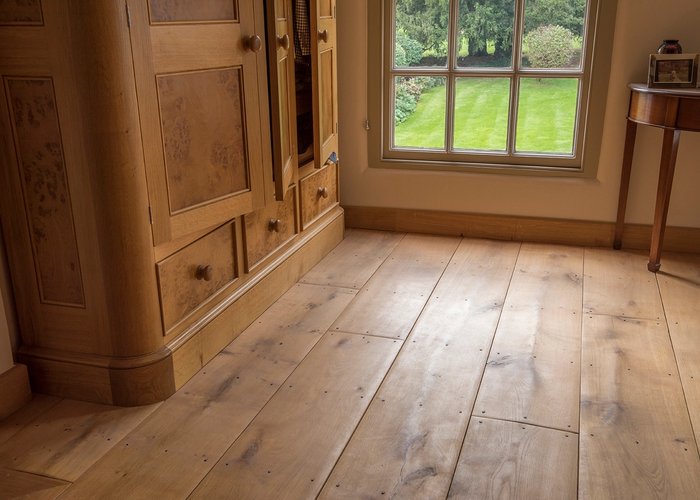
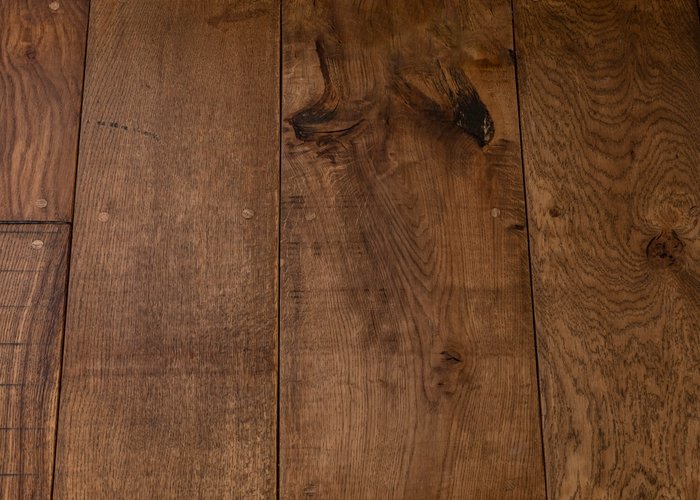
- Aesthetic Evolution: Freshly cut green oak has a warm, golden-brown colour. When used outside, it slowly turns into a silver-grey finish, a look often seen in the British countryside.
The Sustainable Benefits of Building with Green Oak
At Whippletree, we are dedicated to offering timber that is environmentally friendly. Choosing green oak supports sustainability. Our oak is a renewable resource and is responsibly sourced to help protect native hardwood forests.
Besides being eco-friendly, this timber is extremely strong. It is a legacy material that lasts and performs well over time. Its high tannin content naturally resists pests and decay, so it needs little chemical treatment or maintenance to stay strong for centuries. Also, since it does not need kiln-drying, it is often more affordable and ready to use right away, so your project can start sooner than with seasoned wood.
Versatile Applications in Modern Construction
Although green oak has a long history, it also works well in modern architecture. Its versatility means it fits both rustic and modern styles. Common uses include:
- Structural Frames: The primary choice for oak-framed houses, extensions, and grand orangeries.
- External Structures: Highly durable for use in garages, pergolas, and complex roof trusses.
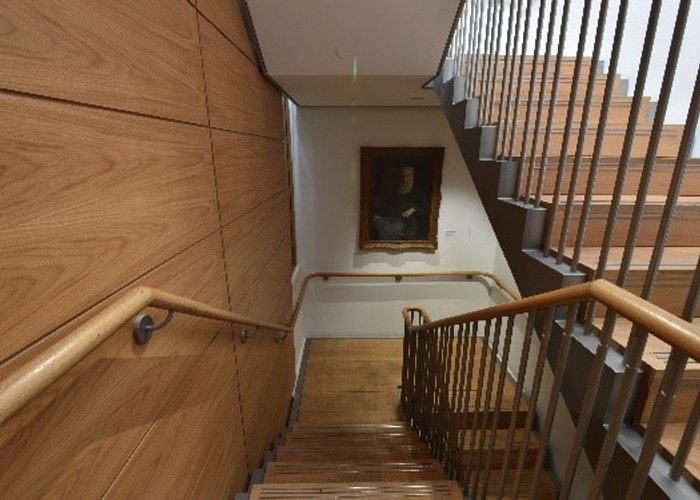
- Interior Features: Creating focal points through exposed mantelpieces, and soaring vaulted ceilings.
- Bespoke Joinery: Crafting heavy-duty garden furniture and unique architectural features that require a robust, natural touch.
A Living Legacy
Choosing green oak means selecting a material that changes along with your home. It offers character, strength, and environmental responsibility. At Whippletree, we are proud to supply high-quality oak, making sure every beam and post helps create a structure that is both strong and attractive.
Whether you are building a traditional timber-frame home or a modern garden structure, green oak has a timeless look that synthetic materials cannot match. It is more than just wood; it is an investment in quality that will last for generations.
For more information about our sustainable green oak supplies, contact us at Whippletree. We are here to help!